Manitoba Baby Budgeting Plan: Practical Steps for New Parents
Manitoba families face rising rents, pricier groceries, and the looming cost of daycare. If you are mapping a Manitoba baby budgeting plan, you need clear numbers and a tight playbook now, not vague promises. I have covered personal finance long enough to know that late planning leaves you scrambling. This guide lays out concrete childcare cost bands, EI maternity realities, and the right order for building cash buffers so you can protect your household when the crib arrives. The goal: keep your monthly cash flow stable while you set up benefits, automate savings, and avoid high-interest debt.
Why This Budget Matters Today
- Childcare waitlists stretch months; deposits hit before leave payments start.
- EI maternity and parental benefits reduce take-home pay; net cash planning keeps bills paid.
- Used gear markets slash upfront costs without sacrificing safety.
- Tax credits and employer benefits can offset daycare and medical expenses.
- Scheduling leave strategically limits income gaps.
Main Moves for a Manitoba Baby Budgeting Plan
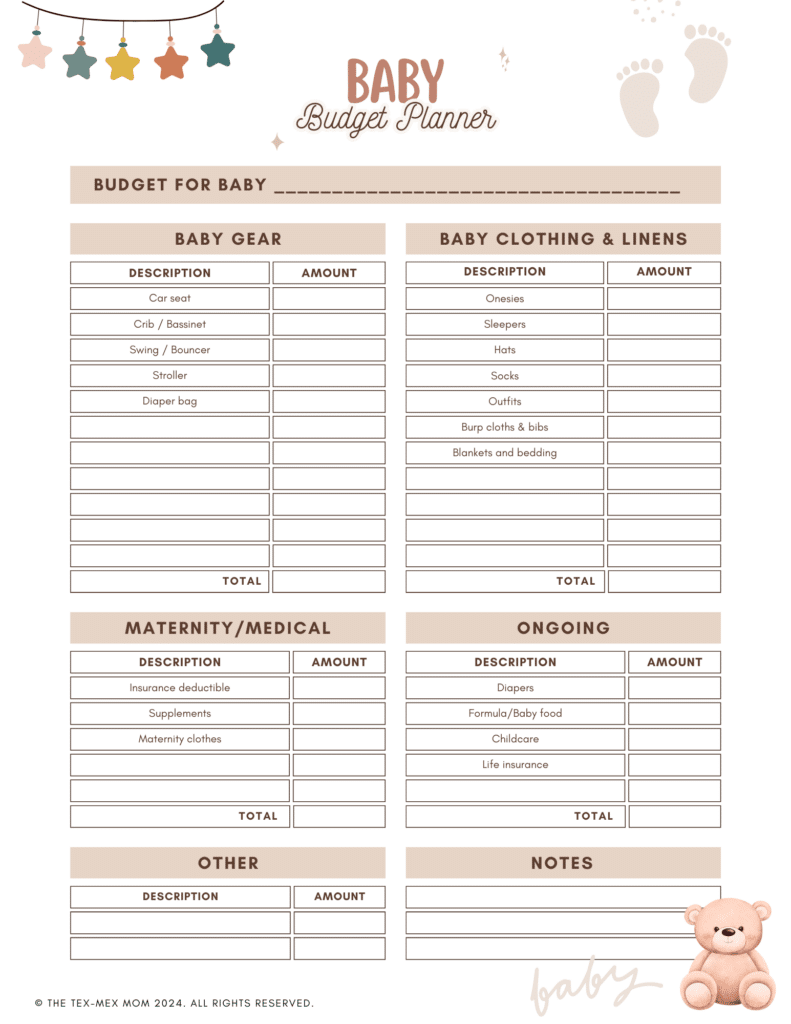
Map your pre-birth cash flow with a zero-based budget. List rent or mortgage, utilities, food, transit, and debt payments. Add line items for prenatal care, supplies, and one-time fees like crib, car seat, and stroller. Think of it like prepping a stew: the order of ingredients changes the result.
- Build a three-month cushion: Park it in a high-interest savings account. Aim to cover rent, food, and utilities. One clean sentence.
- Capture benefits early: Apply for EI maternity and parental benefits eight weeks before leave. Confirm employer top-ups and health coverage windows.
- Price childcare now: Call centers and home daycares to lock ranges. Expect CAD 10–30 per day if a spot qualifies for the Canada-wide plan; private spots can run higher.
- Buy key gear used: Stroller, carrier, and clothes can be secondhand. Buy a new car seat for safety compliance.
- Automate sinking funds: Weekly transfers for diapers, medical co-pays, and transport keep cards off the table.
Income Planning with Maternity and Parental Leave
Split leave between partners to steady cash flow. EI maternity pays up to 55% of average insurable earnings for 15 weeks; parental benefits extend coverage at standard or extended rates. Run the math with your actual net pay, not gross. Here is the thing: tax withholdings can change during leave, so revisit your TD1 forms.
“Applying for EI before the due date is the simplest move that prevents a cash crunch when hospital bills land.”
Schedule leave so the higher earner returns sooner if you need income faster. If one partner has health benefits, keep that coverage active through coordination with HR.
Housing and Utilities: Keep the Fixed Costs Tight
Manitoba winters make heat a non-negotiable line item. Trim elsewhere. Audit your internet plan, cell phone contracts, and streaming services. Every CAD 25 saved per month covers a week of diapers.
Consider a roommate during leave if space allows (an uncommon but effective play). Yes, that means sharing the kitchen, but it buffers cash while income dips.
Childcare Scenarios and Costs
Waitlists can stretch six to twelve months. Ask providers about deposit rules and refund policies. If you secure a subsidized spot, confirm eligibility windows so you do not lose the rate.
- Center care: CAD 10–30 per day with subsidies; private centers often higher.
- Home daycare: CAD 25–40 per day; flexible hours can reduce overtime fees.
- Family care swap: Coordinate with relatives or friends for partial weeks to cut paid care hours.
Could you split care by shifting work schedules? Sometimes one partner works early shifts while the other works late. It is like running a relay, not a sprint.
Gear and Medical: Spend Where Safety Counts
Buy a new infant car seat and crib mattress. Safety standards justify the cost. Source a used stroller and carrier through local swap groups. Track immunization schedules and budget for any non-covered vaccines. If your plan includes dental, schedule cleanings before leave to avoid gaps.
Debt Strategy During Leave
Pause extra debt payments and stick to minimums while income drops. High-interest cards are the enemy here. Can you call lenders to lower rates for six months? Many will, if you ask.
Taxes and Credits
Apply for the Canada Child Benefit as soon as the baby arrives. Keep receipts for medical expenses, childcare payments, and any work-from-home costs if you return in a hybrid role. These credits soften the blow at tax time.
Monitoring the Plan
Review the budget monthly. Track actual spend against your plan. If groceries spike, trim takeout for a few weeks. Use a simple spreadsheet or an app that lets you tag baby-related costs separately.
What Success Looks Like
No missed rent, no new credit card balances, and a calm runway through the first year. You will still have surprises, but the cash cushion absorbs them.
Next Moves That Pay Off
- Open a RESP once cash flow stabilizes to capture the Canada Education Savings Grant.
- Increase term life coverage for both partners.
- Set calendar reminders for EI reporting and daycare renewals.
Ready to make the Manitoba baby budgeting plan real? Start the applications this week, lock a childcare deposit, and move one transfer into savings today.