Native Liquid Hand Soap Deal: How to Save on a Simple Stock-Up
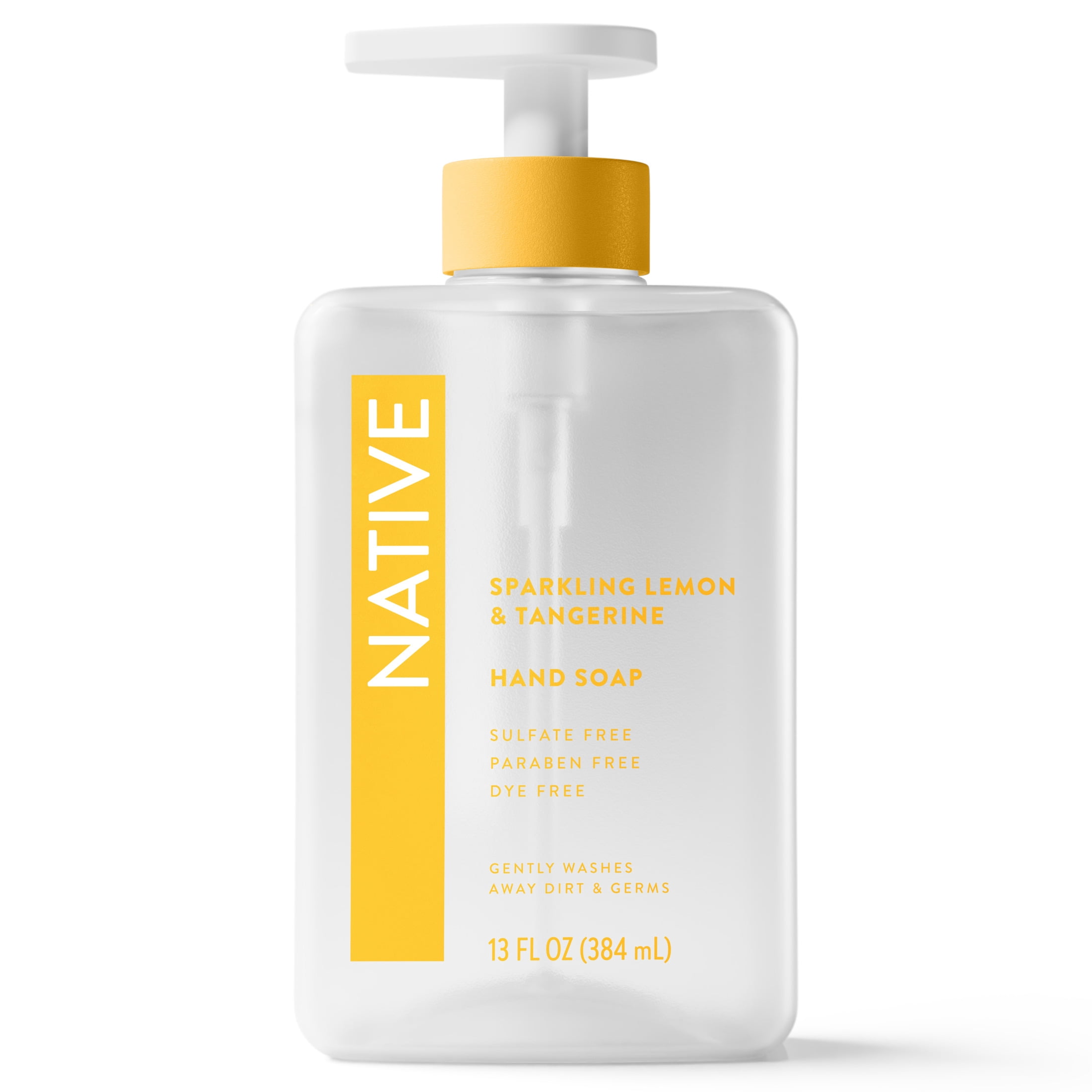
You need hand soap anyway, so a good Native liquid hand soap deal can be worth a quick look before your next grocery run. Prices on household basics have trained most of us to scan for savings, even on small items. Soap is one of those quiet budget leaks. You toss it in the cart, the price feels minor, and then you realize you bought six bottles this month between bathrooms, kitchen sinks, and guest spaces. A sale on a nicer brand like Native can help, but only if the math works after coupons, shipping, store rewards, and your actual usage. I have covered consumer deals long enough to be skeptical of shiny discount language. The smart move is simple: compare the final per-bottle price, check whether you like the scent, and avoid buying more than you can use.
What Makes This Worth Checking
- Native is usually priced above basic hand soap, so discounts can matter more than they do on bargain brands.
- Hand soap is easy to overbuy because it feels practical, but scent fatigue is real.
- The final price matters more than the advertised discount, especially if shipping or pickup minimums apply.
- A small stock-up can make sense if you already use Native products or want a cleaner-looking sink setup.
How to Judge a Native Liquid Hand Soap Deal
Start with the shelf price. Native liquid hand soap often costs more than store-brand soap, so a markdown needs to be meaningful. If the sale only trims a dollar off a premium price, it may still cost twice as much as a reliable budget option.
Look at the final checkout total, not the first number you see. That means adding tax, shipping, delivery fees, and any minimum purchase requirement. Retailers know shoppers respond to a bright sale tag. The cart total tells the truth.
Good deals are boring in the best way.
Here is the quick test I use before buying household items on sale:
- Check the price per bottle after all discounts.
- Compare it with Target, Walmart, Amazon, and your local grocery store.
- Ask whether you would buy the item without the deal pressure.
- Limit your order to scents you know you can tolerate for weeks.
- Skip the purchase if you need to add random items just to qualify.
Native Liquid Hand Soap Deal Math: What Counts as a Real Saving?
A deal is only useful if it beats your normal buying pattern. Say you usually buy a basic hand soap for $2.50. If Native drops from a higher retail price to $5, that is a discount, but it is not a budget win unless you value the brand, scent, ingredients, or packaging enough to pay the difference.
That is not a knock on Native. Plenty of households spend a bit more on products they enjoy using every day. I get it. A pleasant hand soap by the kitchen sink is like a good olive oil in a weeknight recipe. It is not required, but it can make the routine feel less grim.
The mistake is treating every markdown as savings. You only save money when the purchase replaces something you already planned to buy at a higher price.
For a premium soap stock-up, I would want one of three things: a strong percent-off sale, a stackable coupon, or a store reward that I will actually use. If none of those apply, the deal may be fine, not fantastic.
Where This Native Liquid Hand Soap Deal Fits in a Household Budget
Small household goods belong in your grocery or home basics category. If you do not track those purchases, they blur together. Soap, paper towels, dishwasher pods, toothpaste, and shampoo can swallow more of your budget than you expect.
The Bureau of Labor Statistics tracks household spending through its Consumer Expenditure Surveys, and personal care products and household supplies remain recurring costs for American families. That is the quiet pressure here. You may not notice one bottle, but you notice the monthly pileup.
So, should you buy this Native liquid hand soap deal? Ask a better question: does it lower the cost of something you already use, or does it create a new mini-habit of buying prettier soap than your budget supports?
Buy It If
- You already use Native hand soap or similar premium soaps.
- The final price beats your normal store price.
- You can choose scents your household likes.
- You are not paying extra delivery fees.
- You have room to store a few bottles without clutter.
Skip It If
- You are only tempted because the word “deal” is attached.
- You need to spend more to reach free shipping.
- Your current soap stash is already full.
- The discounted price is still far above your usual option.
- You have sensitive skin and have not tested the formula.
How Many Bottles Should You Buy?
Keep it modest. For most homes, two to four bottles is a sensible stock-up if the price is strong. More than that starts to feel like pantry creep, especially if you have limited storage.
Hand soap does last, but your preferences may not. Seasonal scents can sound fun in the cart and annoying by the second bottle. Vanilla, coconut, lavender, citrus, and cucumber-style scents tend to be safer picks than bold limited editions, although your nose gets the final vote.
And if you have kids, guests, or multiple sinks, usage goes up fast. One bottle in each bathroom and one in the kitchen can turn a small order into a practical purchase.
Pro Tips Before You Check Out
Here is where I push back on deal culture a bit. The best shoppers are not the ones who buy every bargain. They are the ones who know their own patterns.
- Check subscription traps: Make sure you are not signing up for auto-ship unless you want it.
- Look for store pickup: Pickup can protect the deal from shipping costs.
- Compare ounce size: Some bottles look similar but hold less product.
- Use rewards carefully: Store cash is useful only if you will spend it before it expires.
- Set a household cap: Decide how many backup soaps you keep before the sale starts bossing you around.
The Smarter Way to Stock Up
A Native liquid hand soap deal can be a solid buy if it cuts the price on something you already like. It is less useful if it nudges you into spending more on a category you normally keep lean.
My take after years of watching online deals flare up and disappear: buy the practical amount, compare the final price, and move on. The next sale will come. Your cabinet does not need to look like a small warehouse to prove you saved money.