Paycheck Advance Apps: Costs, Risks, and Smarter Uses
A short cash gap can wreck your week. Rent clears before payday, the car needs a tire, or a medical bill lands at the worst time. That is why paycheck advance apps are getting attention. They promise quick access to part of your earned wages, often without a hard credit check. But fast money is never neutral. Fees, tips, subscription charges, and repayment timing can turn a small advance into a recurring budget problem. Money Crashers has covered the rise of these payday alternatives, and the useful question is not whether they are “good” or “bad.” The better question is this: can you use one without turning next Friday’s paycheck into a cleanup job? Here is the plain answer from years of watching consumer finance products sell convenience first and disclose tradeoffs later.
What Matters Before You Tap an App
- Most apps are cheaper than payday loans, but not always cheap. Small fees can carry a high effective cost if you borrow for only a few days.
- Repayment usually happens automatically. That helps the app, but it can strain your checking account.
- Optional tips are still money out. Treat them like fees when you compare costs.
- The best use is a one-time timing mismatch. Repeated advances signal a cash flow problem.
How Paycheck Advance Apps Work
Paycheck advance apps give you early access to money you have likely earned but have not received yet. Some connect to your bank account and estimate your income pattern. Others work through your employer’s payroll system and track earned wages more directly.
The app sends cash to your bank account or debit card, sometimes within minutes for an extra charge. Then it collects repayment from your next paycheck deposit or linked account. Sounds tidy, right? It can be, if the advance is small and your next paycheck can absorb the hit.
The fee is the product.
Many apps promote “no interest,” which is technically true in some cases. But you may still pay monthly membership fees, instant transfer fees, or voluntary tips. A $5 fee on a $100 advance for one week is not the same as a $5 fee on a loan held for a year.
Paycheck Advance Apps vs. Payday Loans
Traditional payday loans are usually the costlier and riskier option. The Consumer Financial Protection Bureau has described common payday loan pricing as a fee of about $15 per $100 borrowed, often due in two weeks. That can translate to an annual percentage rate near 400%, depending on the loan terms.
Paycheck advance apps often avoid that sticker shock. They may not report to credit bureaus, may skip hard credit checks, and may charge less up front. But the comparison can get muddy because many apps avoid interest language and use different pricing labels.
“If an app asks for a tip, rush fee, or subscription, count it in the cost. Your checking account does not care what the company calls it.”
Here is the sports version. A payday loan is like starting the game down two touchdowns. A paycheck advance app may only cost you a field goal, but if you keep giving away points every week, you still lose.
Where Paycheck Advance Apps Can Help
Used carefully, paycheck advance apps can solve a narrow problem: bad timing. Maybe your employer pays every two weeks, but your utility bill and child care payment hit on the same Tuesday. A small advance can stop a late fee or overdraft.
They can also beat worse choices. If the alternative is a $35 overdraft fee, a $4 instant transfer fee may be the better move. If the alternative is a payday storefront loan, the app may also be less punishing.
Good reasons to consider one
- You have already earned the money.
- The advance is small enough that your next paycheck still covers essentials.
- You know the full cost before tapping “accept.”
- You are avoiding a larger fee, such as an overdraft or late payment.
- You have a plan to avoid needing another advance next pay period.
That last point matters most. A one-time advance can be a bridge. A weekly advance is a budget leak with a friendly app icon.
The Costs That Hide in Plain Sight
Look, “free” cash apps deserve extra skepticism. Some are fair, some are useful, and some rely on the fact that tired people in a pinch do not read fee screens. I have seen this movie across credit cards, buy now pay later plans, overdraft protection, and payday lending.
Before you use paycheck advance apps, check for these charges:
- Instant transfer fees: Standard delivery may be free, while same-day cash costs extra.
- Monthly subscriptions: A $9.99 plan can be expensive if you only need one small advance.
- Tips: Optional does not mean irrelevant. Put the tip in your cost calculation.
- Bank fees: If repayment triggers a low balance, your bank may charge you.
- Employer access limits: Some earned wage access tools cap how much you can take before payday.
Do one simple test. Divide the total fee by the amount advanced, then ask how many days you are borrowing. A $3 fee on $50 for four days looks small at checkout, but it is not tiny in percentage terms.
How to Use Paycheck Advance Apps Without Getting Stuck
The safe way to use these apps is boring, which is usually how money safety works. Set a personal cap before you open the app. For example, you might limit advances to 10% of your next paycheck and only use one per month.
Then write down what the next paycheck must cover after repayment. Include rent, groceries, gas, insurance, minimum debt payments, and any automatic subscriptions. If the math only works because you assume “something will come up,” pause.
A simple rule I like
If an advance prevents a fee larger than its total cost, and you can repay it without borrowing again, it may be reasonable. If you need it for groceries every pay cycle, the app is masking an income or spending gap.
And yes, that gap may not be your fault. Housing, food, insurance, and child care have climbed faster than many paychecks. Still, the app will collect its money whether the economy feels fair or not.
Better Options to Try First
Paycheck advance apps should sit low on your list, above payday loans but below cheaper fixes. Before you borrow from your next paycheck, try options that reduce pressure instead of shifting it forward.
- Ask for a bill date change. Many utility companies, lenders, and insurers will move due dates if you ask.
- Use a small emergency fund. Even $250 can block a cycle of advances.
- Call the creditor. A short hardship plan may cost less than repeated app fees.
- Check a credit union small-dollar loan. Some offer payday alternative loans with capped fees.
- Request a payroll advance from your employer. Some employers offer this directly with fewer costs.
One overlooked move is splitting fixed bills across paychecks. If your rent, car payment, and insurance all hit during the same week, your budget is doing stair sprints. Moving one due date can smooth the month.
How to Compare Paycheck Advance Apps
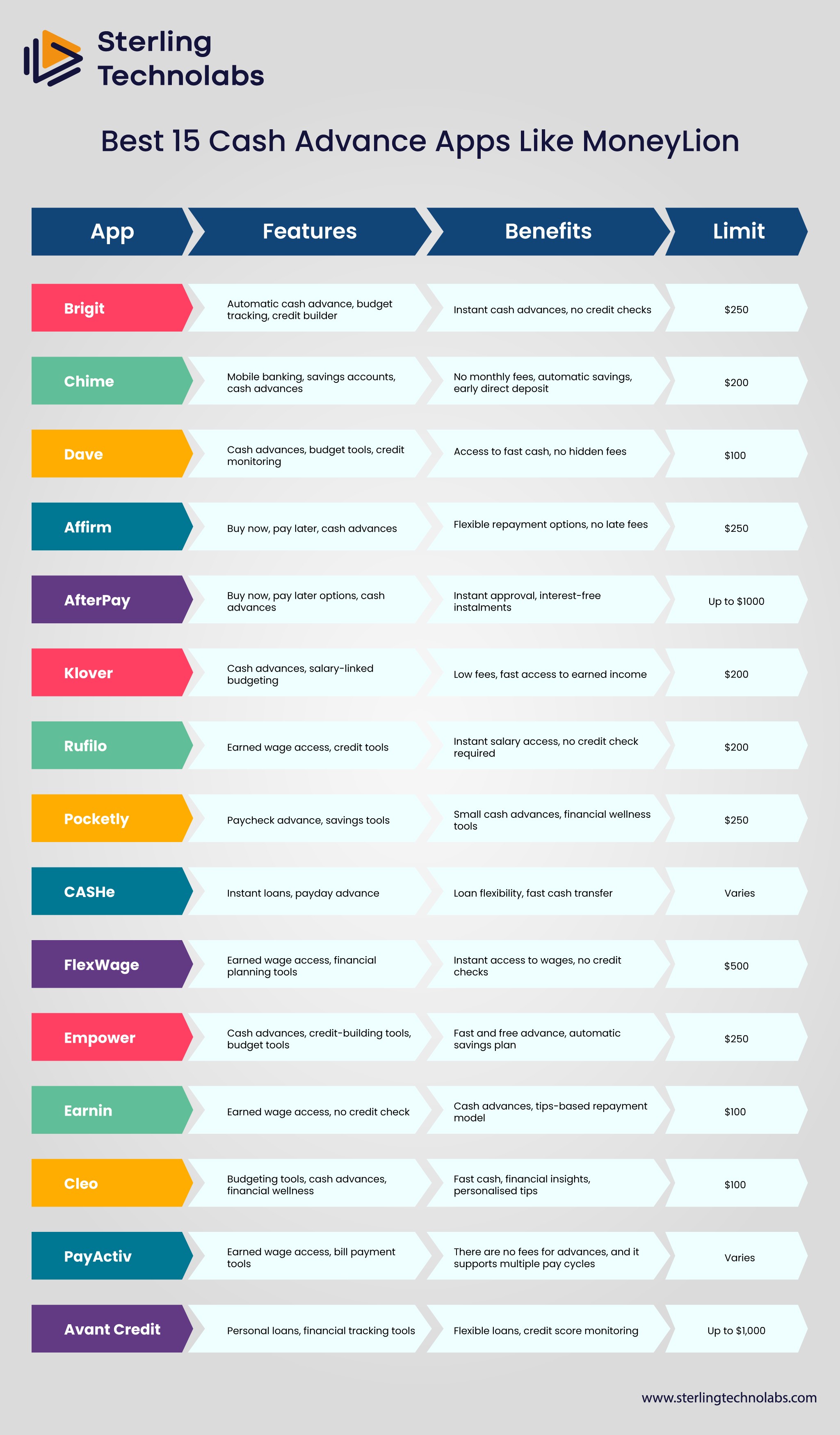
Do not pick the app with the loudest promise. Pick the one with the clearest cost. Money Crashers lists several paycheck advance and payday alternative apps, and the right choice depends on your pay schedule, employer access, bank connection, and fee tolerance.
Use this quick checklist before signing up:
- What is the maximum advance amount?
- Is there a monthly fee?
- How much does instant delivery cost?
- Are tips requested, and are they easy to skip?
- What happens if your paycheck is late?
- Can you cancel without a phone call?
- Does the app sell extra products you do not need?
Privacy also deserves attention. These apps may request bank access, payroll data, employment details, and transaction history. That does not make them shady by default, but you should know what you are trading for speed.
The Smarter Next Move
Paycheck advance apps can be useful, but they are not a cure for thin margins. Use one only when the cost is clear, the need is temporary, and the next paycheck can handle repayment without another advance.
If you are already using one often, your next step is not another app. Pull your last two bank statements, find the three biggest cash drains, and change one due date before your next payday hits.