Women’s Wool Blend Socks: How to Spot a Warm Deal
Cold feet are annoying, but wasting money on flimsy socks is worse. If you are eyeing women’s wool blend socks because you saw a cute pair on sale, slow down for one minute and check what you are really buying. Wool blends can be a smart winter purchase because they add warmth without the full cost of premium merino hiking socks. But the label matters. So does the sock height, stretch, washing guidance, and price per pair. I have covered consumer deals for years, and socks are one of those small purchases that quietly drain budgets because people buy for color first and quality second. A bargain only counts if the socks stay warm, fit well, and survive more than a few laundry cycles. Let’s sort the cozy deal from the drawer clutter.
What to Check Before You Buy
- Look for the wool percentage. A higher wool content usually means better warmth, but blends with nylon or polyester can last longer.
- Compare the price per pair. Multi-packs often look cheap until you do the math.
- Check care instructions. If the socks need special washing, ask whether you will actually follow it.
- Match thickness to your shoes. Thick socks feel great at home, but they can make boots tight.
- Read recent buyer feedback. Pay close attention to shrinkage, pilling, and toe seam complaints.
Why Women’s Wool Blend Socks Can Be Worth It
Wool has a real advantage in cold weather because it traps heat and handles moisture better than basic cotton. That does not mean every pair deserves your cart. A low-quality blend can feel scratchy, stretch out, or pill fast.
The sweet spot for many shoppers is a wool blend with synthetic fibers added for shape and durability. Think of it like baking bread. Flour matters, but the structure depends on the full recipe. Socks work the same way. Wool brings warmth, while nylon, polyester, acrylic, and spandex affect stretch, softness, and wear.
A cute print is a bonus. Warmth, fit, and durability are the deal.
Money Saving Mom often flags low-cost household and clothing finds, including seasonal sock deals. That can be a useful starting point, but you still need to check the product details before buying.
How to Judge a Women’s Wool Blend Socks Deal
Here’s the thing. A sale price by itself tells you almost nothing. You need the unit price and a quick read on quality.
Start with the number of pairs in the pack. If a 5-pack costs $14.99, the price is about $3 per pair. That can be strong value for casual winter socks if the reviews are solid and the wool content is clear. If a single pair costs $12, it should offer something better, such as merino wool, reinforced heels, or a performance fit.
Would you buy the same socks if they came in plain gray?
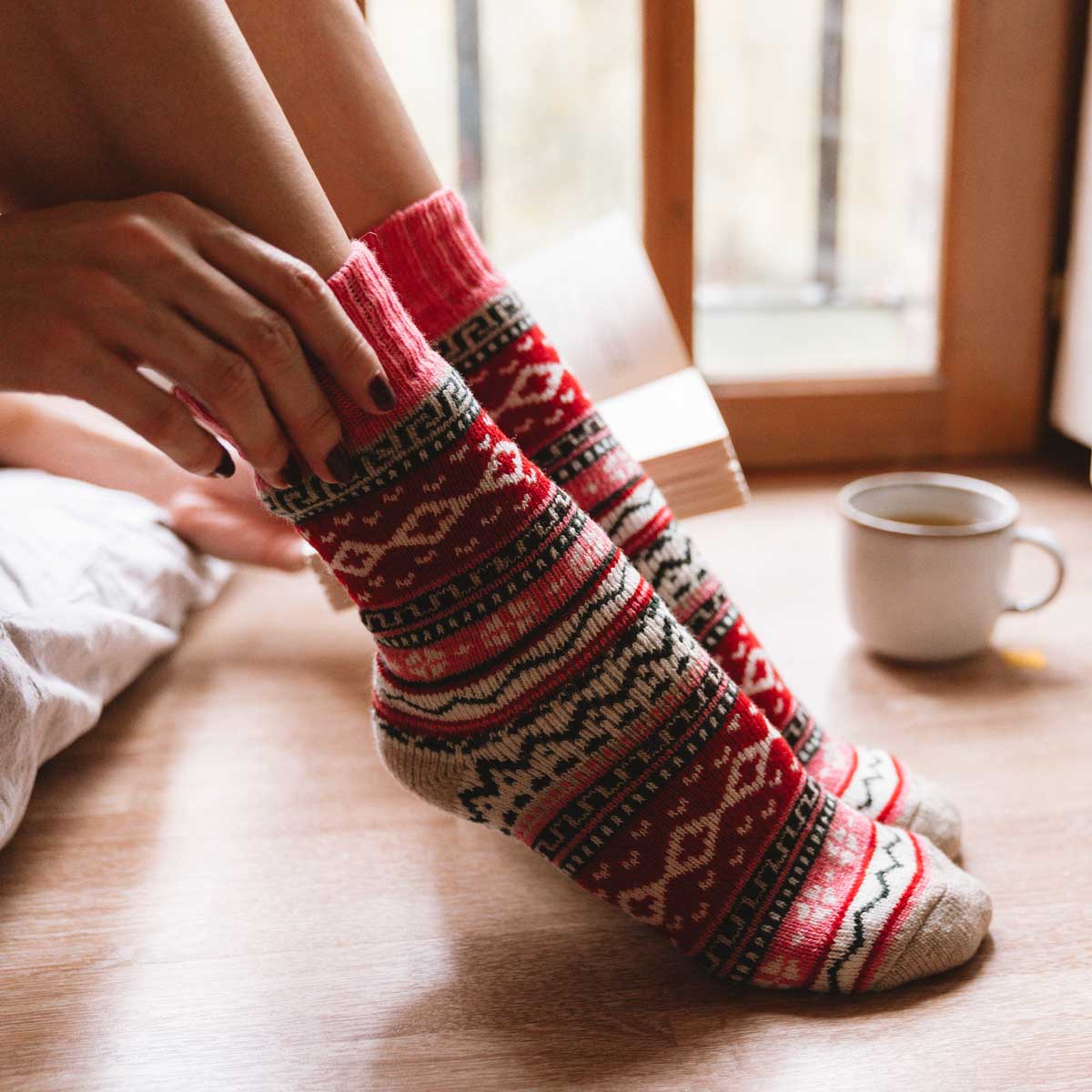
That question cuts through the noise. Patterns and colors can nudge you toward a purchase you do not need. If the fabric, use case, and price still make sense without the cute design, you are probably looking at a better buy.
A simple deal test
- Find the total price. Include shipping if you are not meeting a free-shipping minimum.
- Divide by the number of pairs. This gives you the real pair price.
- Check the material list. Look for wool, merino wool, nylon, polyester, acrylic, or spandex.
- Scan one-star and three-star reviews. These often show the real flaws.
- Decide where you will wear them. Lounging, boots, work shoes, and hiking all call for different socks.
Small math saves money.
Fabric Details That Matter More Than the Photo
Product photos sell comfort. The fiber list tells the truer story. If the listing only says “wool blend” without giving a breakdown, treat that as a yellow flag.
Merino wool is usually softer than standard wool and is common in higher-end cold-weather socks. Regular wool can still be warm, but some people find it itchy. Acrylic often adds softness and lowers cost. Nylon helps with strength. Spandex or elastane helps the sock stay up instead of slouching around your ankle.
For everyday wear, you do not need a technical hiking sock. But you do need enough structure to keep the sock from turning baggy. Nobody wants a heel sliding under the foot halfway through errands.
Fit, Thickness, and Your Actual Closet
A thick wool sock can be perfect for house shoes, rain boots, and roomy winter boots. It can be awful in fitted sneakers or narrow ankle boots. Before buying, think about the shoes you wear most in cold weather.
If your boots already feel snug, choose a thinner blend or crew sock with moderate cushioning. If you want socks for lounging at home, thickness matters less, and softness moves up the list. For outdoor chores, look for a tighter knit and a reinforced heel or toe (if the listing mentions it).
Sizing also deserves attention. Some women’s socks claim to fit a wide shoe-size range, such as 5 to 10. That may work for stretchy casual socks, but it can be sloppy at either end of the range. Reviews from shoppers who mention their shoe size are worth more than generic praise.
Care Tips So Your Women’s Wool Blend Socks Last
Even a good deal turns sour if the socks shrink after one wash. Wool blends vary, so read the tag or listing before you toss them into a hot cycle.
- Wash in cold water when possible.
- Use a gentle cycle for softer or fluffier socks.
- Skip high heat in the dryer, especially with higher wool content.
- Air dry if the socks feel delicate or the label recommends it.
- Turn patterned socks inside out to reduce visible wear.
Look, I know. Nobody wants fussy laundry. But if the socks are wool-heavy, heat can change the fit fast. If you will never air dry socks, choose a lower-maintenance blend from the start.
Who Should Buy This Kind of Deal
Women’s wool blend socks make sense if you want warmer everyday socks for winter, gift baskets, travel, or working from home. They are also a practical stocking stuffer because people actually use them. Fancy? No. Useful? Very.
Skip the deal if you need true performance socks for long hikes, winter running, or freezing outdoor work. In those cases, you may be better off paying more for socks from brands that publish detailed specs and design for specific conditions. Casual wool blends can be warm, but they are not always built for abuse.
And if your sock drawer is already full, do the boring thing first. Toss pairs with holes, stretched cuffs, or lost mates. Then buy only enough to replace what you removed.
The Smart Move Before You Check Out
Before you buy, compare the deal against one similar option from a retailer you trust. Check the wool content, pair count, reviews, return policy, and shipping cost. If the sale still wins after that, buy with confidence.
The best deal on women’s wool blend socks is not the cheapest pack on the page. It is the pair you will reach for all winter, wash without stress, and still like next year.