
Car Lease End Options: Buy, Return, or Walk Away Smarter
Your lease is almost up, and the dealer wants you back in the showroom. That timing is no accident. If you do not compare your car lease end options, you can hand over equity, accept a weak trade offer, or pay fees you could have reduced with basic prep. This matters more now because used-car values have been jumpy, interest rates have made new payments harder to stomach, and lease contracts still hide real costs in plain sight. I have watched auto lenders, dealer groups, and fintech apps turn lease returns into a profit center for years. Some tools help. Some mostly move you toward another transaction. Your job is simple. Know the numbers before anyone else frames the choice for you.
What Deserves Your Attention First
- Check your payoff quote early. Ask your leasing company for the current buyout price and the lease-end purchase price.
- Compare market value. Use sources such as Kelley Blue Book, Edmunds, CarGurus, and dealer offers.
- Inspect the car before the official return. Small repairs can cost less at an independent shop than through the leasing company.
- Watch sales tax and loan terms. A buyout can look cheap until financing costs show up.
- Do not assume the dealer is your only exit. Your contract and lender rules decide what choices you really have.
How Car Lease End Options Usually Work
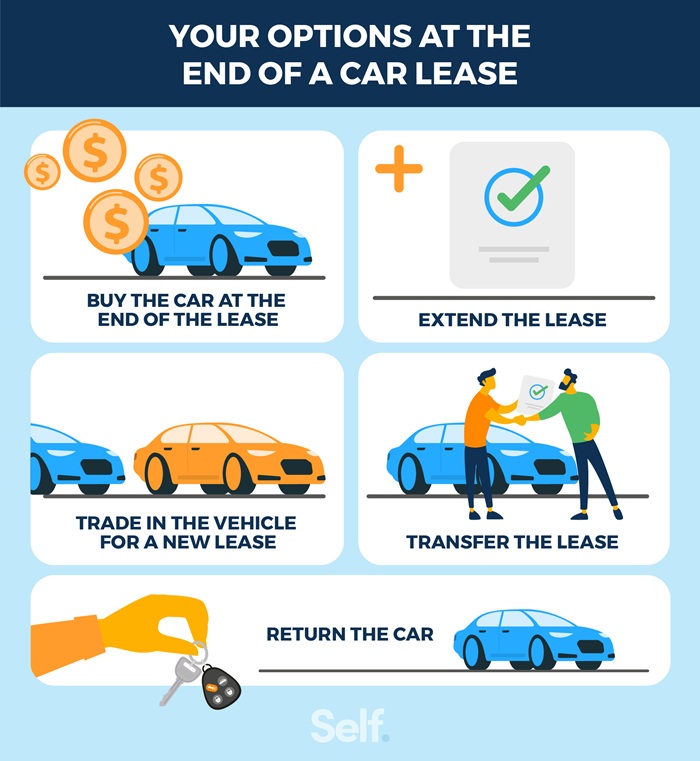
Most drivers face four basic paths at lease end. You can return the car, buy it, trade it toward another vehicle, or extend the lease for a short period if the lender allows it. Each route has a different cost profile, and the cheapest one is not always the one with the lowest monthly payment.
Returning the vehicle sounds clean, but excess mileage, wear charges, disposition fees, and missed maintenance can sting. Buying the car gives you control, especially if the residual value in your contract sits below the real market price. Trading can work too, but only if the dealer gives you fair credit for any equity.
The trap is speed. Lease-end decisions often get made during one dealer visit, while the dealer already knows the payoff math. Slow the process down and you change the power balance.
Car Lease End Options: Run the Buyout Math First
The buyout number sits at the center of the decision. It usually includes the residual value, remaining payments if any, purchase option fees, and sometimes taxes or title costs. Ask your leasing company for a written quote, not a verbal estimate from a salesperson.
Your buyout number is the starting line, not the finish line.
Next, compare that figure with what the car would sell for in your area. If your buyout is $21,000 and similar cars list for $25,000, you may have equity. If the buyout is $28,000 and retail prices hover near $25,000, handing the car back may be smarter.
Do not use one valuation site and call it done. Used-car pricing moves by trim, mileage, condition, accident history, region, and even color. Think of it like cooking from a recipe. One ingredient can change the dish, and mileage is often the salt.
Quick buyout checklist
- Request the lease-end purchase price from the lender.
- Get at least two trade-in or purchase offers, such as from CarMax, Carvana, or a local dealer.
- Check private-party and retail values on Kelley Blue Book or Edmunds.
- Ask your state DMV or tax agency how sales tax applies to lease buyouts.
- Compare financing from a bank or credit union before accepting dealer financing.
Should You Use a Lease-End Service?
Services that focus on lease buyouts, including companies reviewed by personal finance sites such as Money Crashers, try to simplify the messy middle. They may help you review the payoff, arrange financing, handle title paperwork, or buy the leased vehicle without forcing you through the original dealer. That can save time, especially if your lender allows third-party support.
But look closely at the economics. A service is useful only if it improves your net result after fees, interest, and convenience costs. If it offers a loan, compare the annual percentage rate against your credit union. If it handles paperwork, ask what you pay and what happens if the lender blocks third-party transactions.
Here is the thing. Convenience has a price, and auto finance companies know many drivers hate paperwork (fair enough). Paying a modest fee to avoid a DMV slog can make sense, but paying hundreds more in interest over five years is a different animal.
Return the Car Without Paying Extra
If you plan to return the car, treat the final 60 to 90 days like a pregame warmup. Review your mileage, gather service records, clean the vehicle, and schedule a pre-inspection if the leasing company offers one. Many brands use third-party inspectors, and the report gives you time to fix small problems before the official turn-in.
Wear-and-tear standards vary, but common trouble spots include tires, windshield chips, bumper scrapes, wheel rash, missing keys, and interior stains. A missing key fob can cost more than people expect. So can tires that fail the lease company’s tread-depth rule.
Costs to ask about before return
- Disposition fee: A common end-of-lease charge, often waived if you lease or buy another vehicle from the same brand.
- Excess mileage: Your contract lists the per-mile rate.
- Wear charges: Ask for the written standards before inspection.
- Remaining payments: Early turn-in may not erase them.
- Property tax or registration balances: These can appear late, depending on your state.
Car Lease End Options If You Have Equity
Lease equity happens when the car is worth more than the payoff. This became common during the pandemic-era used-car price spike, but it still appears on certain models with strong resale values. Trucks, hybrids, and in-demand SUVs can surprise you.
Can you cash out that equity? Maybe. Some lenders restrict third-party buyouts or set different payoff amounts for dealers outside their brand network. Others allow a dealer to buy the car and apply equity to your next purchase. Read your lease documents and call the lender directly.
If a dealer says, “We will take care of everything,” ask for the numbers in writing. You want the payoff, vehicle value, taxes, fees, and any equity credit shown as separate lines. A fuzzy trade sheet is where money goes missing.
What If You Want to Keep the Car?
Buying your leased car can be a solid move if you know its history and the price beats the market. You already know how it was driven, serviced, parked, and repaired. That knowledge has value, especially compared with buying a used car with a thin history report.
Still, do not get sentimental. A lease buyout is a used-car purchase, and you should treat it that way. Get a mechanic’s inspection if the warranty is ending soon, price an extended warranty only after reading exclusions, and compare the total loan cost over the full term.
A lower payment spread over six or seven years may feel better this month, but it can leave you underwater later. What good is “keeping the car you know” if the loan outlasts the car’s best years?
My Practical Take
Lease-end tools and dealer offers can help, but they should not lead the decision. The cleanest approach is old-school: collect the payoff, check the market, price financing, and make each party compete for your business. Boring? Yes. Effective? Also yes.
If you are 90 days from lease end, start now. Pull your contract, request the payoff, get market offers, and book a pre-inspection. The next person who talks to you about that car should be reacting to your numbers, not feeding you theirs.